
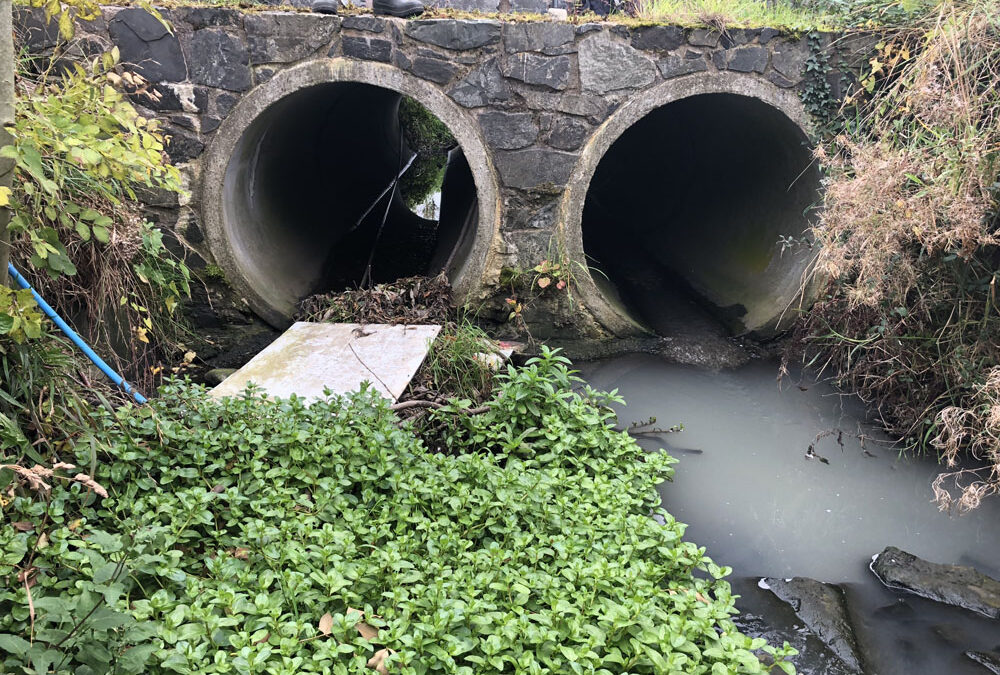
If your property is not connected to the public sewer, there is a very good chance you need a consent of discharge before any wastewater can be released from your home or building. This applies to properties across Northern Ireland, and the rules are set out clearly under law. Whether you are buying, selling, or developing a property, understanding the consent of discharge certificate could save you from serious delays and legal problems. At 360 Surveys Ltd, we help property owners, developers, and solicitors manage this process from start to finish.
A consent of discharge is an official permission granted by the Northern Ireland Environment Agency (NIEA), which operates as part of the Department of Agriculture, Environment and Rural Affairs (DAERA). This permission allows wastewater, sewage effluent, or trade waste to be released from a property into either a waterway or the underground stratum, where no connection to the public sewer exists. Simply put, if your wastewater has to go anywhere other than a public sewer, you need formal approval to do it.
The term can sound technical, but the idea behind it is straightforward. The NIEA needs to know that the water being released will not damage the natural environment or harm rivers, streams, or groundwater. Without this approval in place, releasing wastewater is against the law.
Who Needs a Consent of Discharge Certificate?
The requirement for a consent of discharge certificate applies to a wide range of properties. This includes domestic homes, such as single dwellings in rural areas that use a septic tank or private treatment system, as well as commercial properties that cannot connect to the NI Water infrastructure. Any building discharging sewage effluent to a waterway or underground stratum must hold this certificate.
It is worth noting that this covers both new developments and properties with pre-existing discharge arrangements. The law does not make allowances for older systems simply because they were installed before the rules came in. If a discharge is happening, a valid consent of discharge must be in place. At 360 Surveys Ltd, we see this come up regularly during property sales, particularly when solicitors flag that a property is not on the NIEA register.
What Does the Law Say?
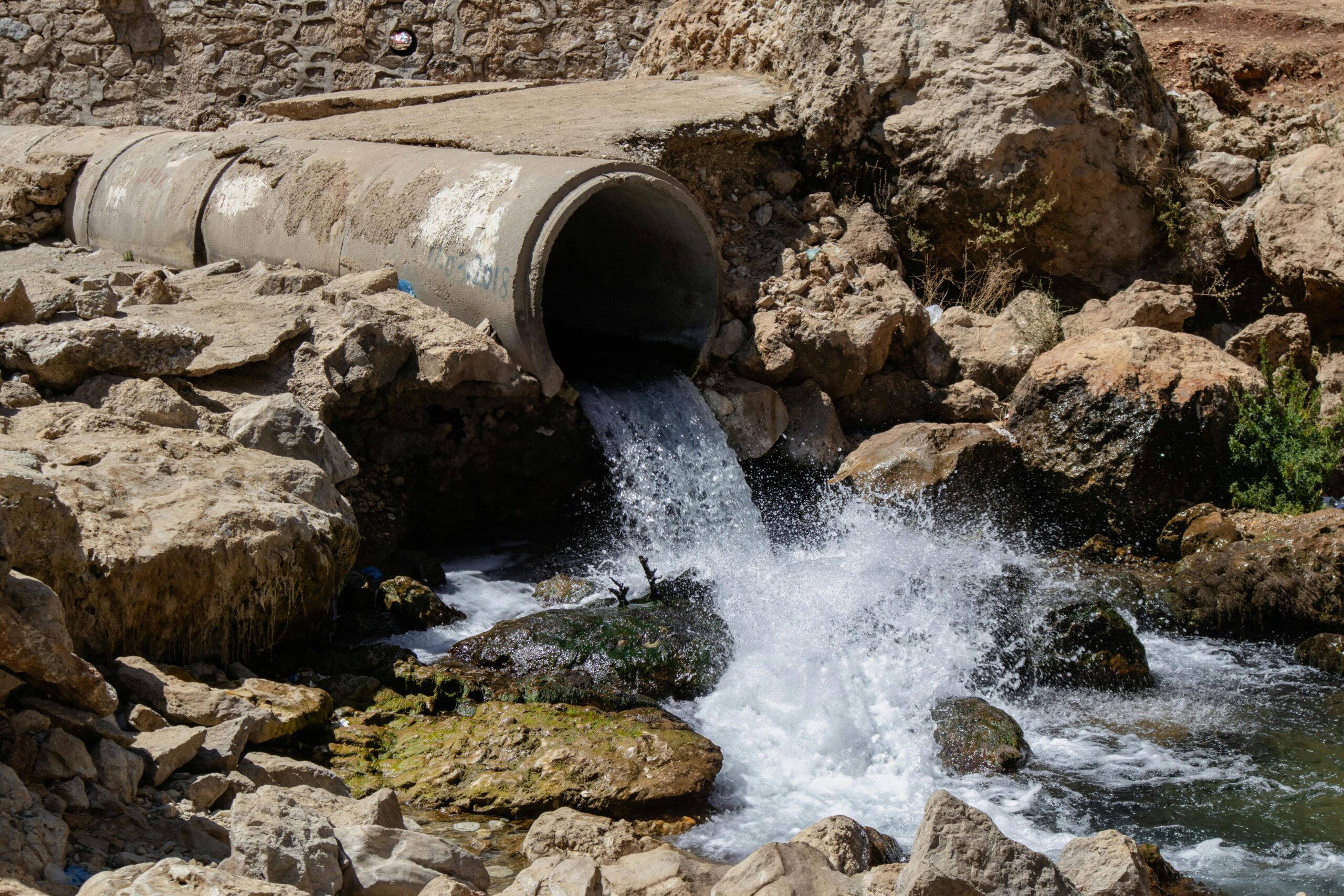
The legal basis for consent of discharge in Northern Ireland comes from the Water (Northern Ireland) Order 1999. Under Article 9 of this Order, no person may discharge any matter into a waterway or underground stratum without the consent of the Department. This covers all domestic and non-domestic properties not connected to the public sewer where it is proposed that discharge will go to a waterway or underground stratum.
The penalties for discharging without consent are significant. A person found guilty of an offence under this legislation can face a fine of up to £20,000 on summary conviction, or even a term of imprisonment. This is not a technicality to be overlooked. 360 Surveys Ltd strongly recommends checking the status of any property’s discharge arrangements before proceeding with a purchase or development.
Understanding the Consent of Discharge Application Process
The consent of discharge application is submitted to the NIEA, an agency of DAERA. The regulations give the NIEA up to four months to process and determine an application, so it is important to plan ahead and allow plenty of time. Delays are possible, particularly as the NIEA has been updating how applications are assessed to meet tighter environmental requirements.
To make a successful consent of discharge application, you will typically need to provide details about the property, the type of system in place (such as a septic tank or sewage treatment unit), the proposed discharge point, and supporting evidence such as percolation test results. The NIEA follows a clear hierarchy for sewage disposal. Connection to the public sewer is always the preferred option. Where that is not possible, discharge to the underground stratum is considered next. Discharge to a waterway is only considered as a last option, and applicants must show that other methods are not practicable.
360 Surveys Ltd can prepare, submit, and manage the full consent of discharge application on your behalf. Our team works across Ireland and has extensive experience in producing the accurate, detailed drawings and supporting documentation that the NIEA requires.
What Happens After Your Application Is Submitted?
Once the consent of discharge application has been submitted, the NIEA will review all supporting documents and may request further information under Schedule 1 of the Water (NI) Order 1999. In some cases, the application may be referred to the Water Appeals Commission for a public inquiry. Depending on the location of the proposed discharge, other bodies such as the Foyle Fisheries Commission may also be notified.
If consent is granted, it will come with conditions. These conditions set out the quality and quantity of wastewater that can be released, and they have been put in place to protect the receiving water from harm. These conditions can be changed at any time, and if no discharge is made within 12 months of the consent being granted, the consent may be revoked. The consent of discharge certificate must be kept up to date and transferred if the property changes hands.

What If Your Property Does Not Have a Consent of Discharge?
This is one of the most common issues that comes up during property transactions in Northern Ireland. A property that discharges to a waterway or underground stratum but is not registered on the NIEA’s Domestic Consent Public Register will typically be flagged by a solicitor at the point of sale. This can hold up a sale considerably and cause real stress for both buyer and seller.
If a property does not have a valid consent of discharge in place, the discharge is technically unlawful under the Water (Northern Ireland) Order 1999. This means that until a consent of discharge is obtained, the property owner could be in breach of environmental legislation. It is possible to apply for a consent of discharge retrospectively, and the sooner this is done the better, particularly if a sale is already underway. 360 Surveys Ltd can guide you through the application process from start to finish, liaising with the relevant authorities on your behalf to help resolve the issue as efficiently as possible.
How 360 Surveys Ltd Can Help
At 360 Surveys Ltd, we provide a full service for clients who need to obtain or regularise a consent of discharge for their property. Operating throughout Ireland, our team uses the latest technology to produce well-presented, accurate drawings and documentation that clearly reflect the features being surveyed. We handle everything from the initial site assessment and percolation testing through to preparing and submitting the formal consent of discharge application to the NIEA.
Our client base includes architects, civil engineers, developers, housing associations, and private homeowners. Whether you are dealing with a property sale, a new development, or a system that has never been formally consented, 360 Surveys Ltd has the experience and expertise to guide you through the process. Get in touch with our team today on 028 3833 9820 or visit 360surveysni.com to find out how we can help.
Recent Comments